The Formation of an Autocratic Geopolitical Alliance: Implications for Global Security
The Economist analyzes the deepening cooperation between Russia, China, Iran, and North Korea, posing significant challenges to the Western world.
 🏙️City
Photo: UNIAN
Key points
- Deepening cooperation between Russia, China, Iran, and North Korea
- Over 600 documented cases of interaction since 2019
- Lack of a unified military command within the alliance
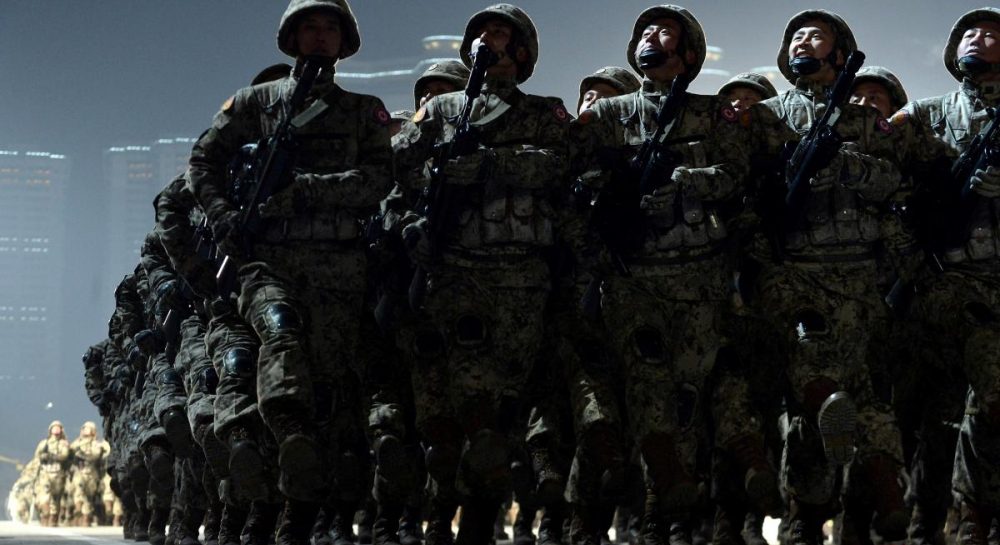
Analysts at The Economist report a growing coordination between four authoritarian regimes: Russia, China, Iran, and North Korea. Despite the absence of a formal military bloc akin to NATO, these nations are actively sharing technologies, military expertise, and intelligence, which is significantly altering the global balance of power.
Interaction Mechanisms and Alliance Limitations
The FDD research center has documented over 600 instances of security cooperation between these countries from 2019 to 2025. Experts emphasize that since the start of Russia's full-scale invasion of Ukraine, the intensity of this interaction has increased significantly. The primary goals of this partnership are to circumvent international sanctions and bolster their individual defense capabilities.
However, the authors note that this alliance is not monolithic. Contradictions exist among the members; for example, China's economic interest in Middle Eastern stability does not always align with Russia's desire to fuel conflicts to drive up energy prices. The lack of a unified command structure and mutual defense obligations remains a key weakness of this grouping.
Source UNIAN — unian.ua/world/rosiya-knr-iran-ta-pivnichna-koreya-stvorili-neforma… ↗
Read next
 🇺🇦Ukraine
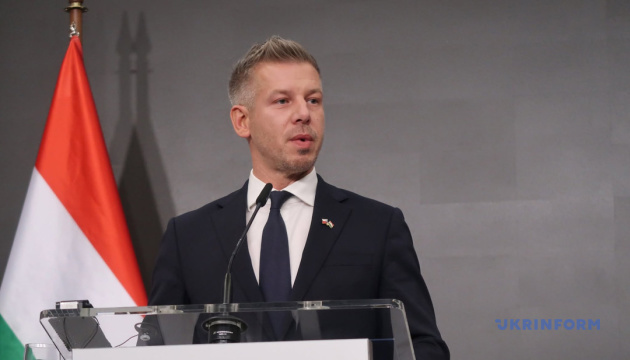
Hungarian Prime Minister to Visit Zakarpattia Region
Hungarian Prime Minister Viktor Orban plans to visit the Zakarpattia region of Ukraine, where the Hungarian minority lives. This will be the first visit of a Hungarian pr…
 🛡️Security
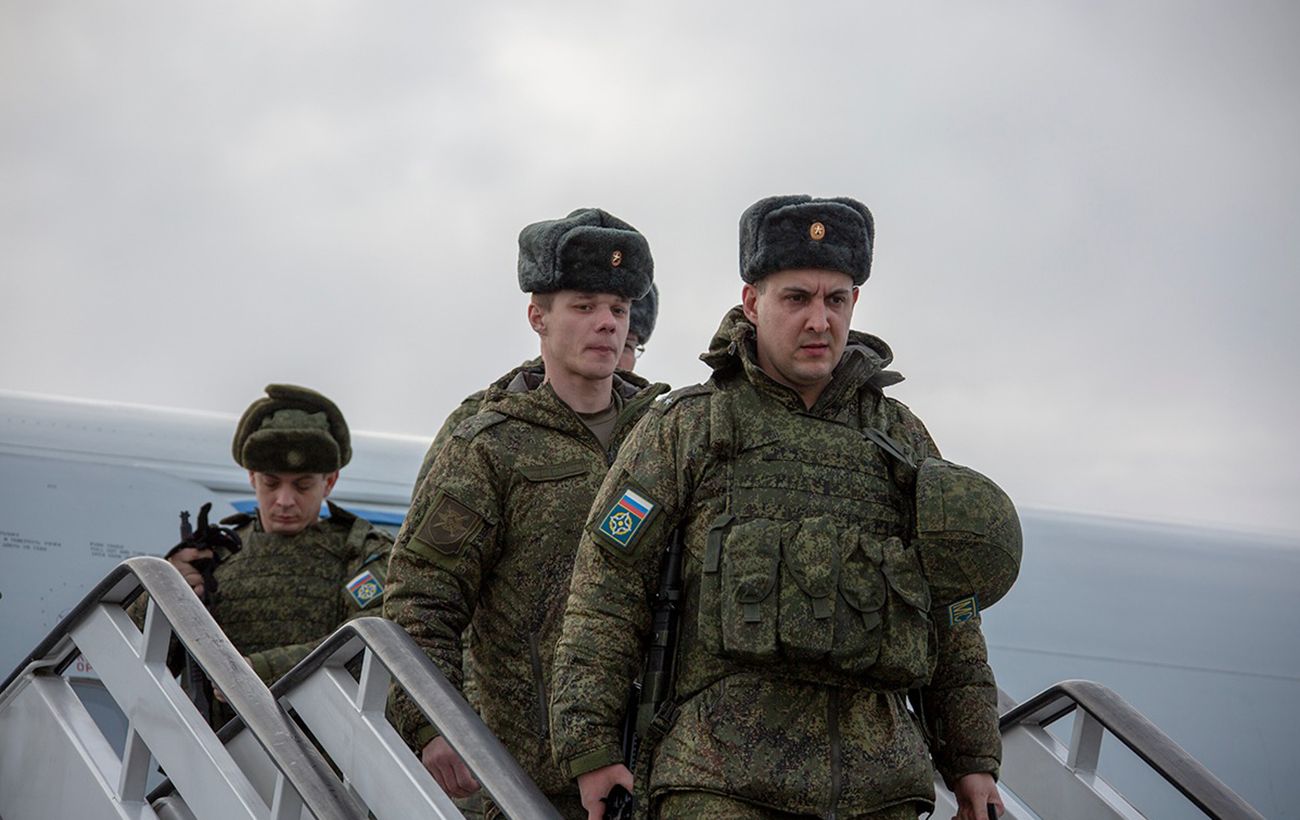
Rosstat data indicates a critical surge in Russian army combat casualties
An analysis of leaked Russian statistics shows that over 92% of deaths among Russian military personnel since 2022 are combat-related.
 🛡️Security
NATO strengthens eastern flank defense following incidents in Poland
The Alliance is considering deploying additional forces in Europe due to Russian missile incursions into Polish airspace.
 🏛️Politics
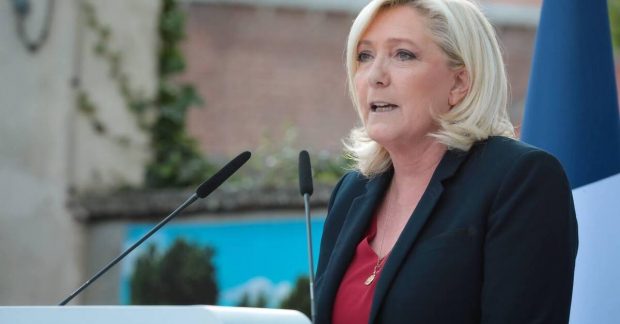
Marine Le Pen speaks out against Ukraine's EU integration
Leader of the French 'National Rally' party Marine Le Pen stated she does not see Ukraine in the EU or NATO, while calling for a peace conference.
 🛡️Security
Defense against jet drones: results of the Staff of the Supreme Commander-in-Chief
President Volodymyr Zelenskyy discussed strategies to counter Russian jet UAVs and strengthen export controls on components.
 🛡️Security
President warns of new Russian mass missile attacks
Volodymyr Zelenskyy announced that intelligence services have detected preparations by Russia for new missile strikes. The President urged citizens to remain vigilant and…