Foxes and dogs: why physical resemblance does not imply kinship
Despite belonging to the same Canidae family, foxes and dogs have fundamental biological and behavioral differences shaped by millennia of evolution.
 🎭Culture & Sport
Photo: UNIAN
Key points
- Foxes and dogs belong to the Canidae family but have different domestication histories.
- Dogs are omnivorous, whereas foxes are strictly carnivorous.
- Animal behavior depends on neurobiological traits that shift during selective breeding.
Evolutionary paths
Although foxes and dogs belong to the Canidae family, their history of coexistence with humans is radically different. Dogs, descending from extinct gray wolves, were domesticated about 14,000 years ago, becoming faithful human companions. Foxes, however, have remained wild animals, retaining their natural instincts and anatomical features.
Physiological and behavioral differences
The physical resemblance of some dog breeds, such as Shiba Inu or Samoyeds, to foxes is often misleading. Biologically, these animals differ significantly. Foxes are obligate carnivores, while dogs have adapted to an omnivorous diet over millennia of evolution. Foxes also possess a unique paw structure with partially retractable claws, which aids them in hunting.
Scientific studies, including experiments on the domestication of silver foxes, demonstrate that behavioral changes are closely linked to neurobiology. A reduction in aggression, a key factor in domestication, gradually alters even the animal's physical appearance, bringing them closer to the traits of domestic pets.
Source UNIAN — unian.ua/curiosities/chim-lisici-vidriznyayutsya-vid-sobak-genetika… ↗
Read next
 🇺🇦Ukraine
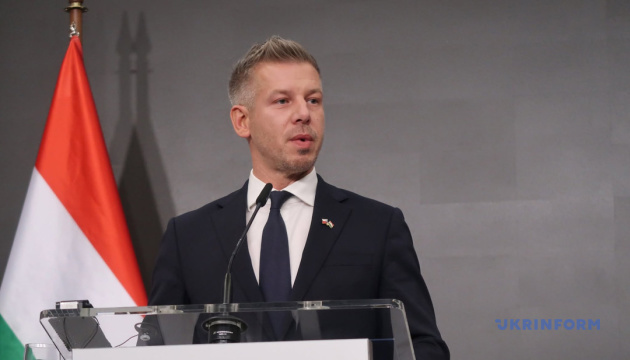
Hungarian Prime Minister to Visit Zakarpattia Region
Hungarian Prime Minister Viktor Orban plans to visit the Zakarpattia region of Ukraine, where the Hungarian minority lives. This will be the first visit of a Hungarian pr…
 🛡️Security
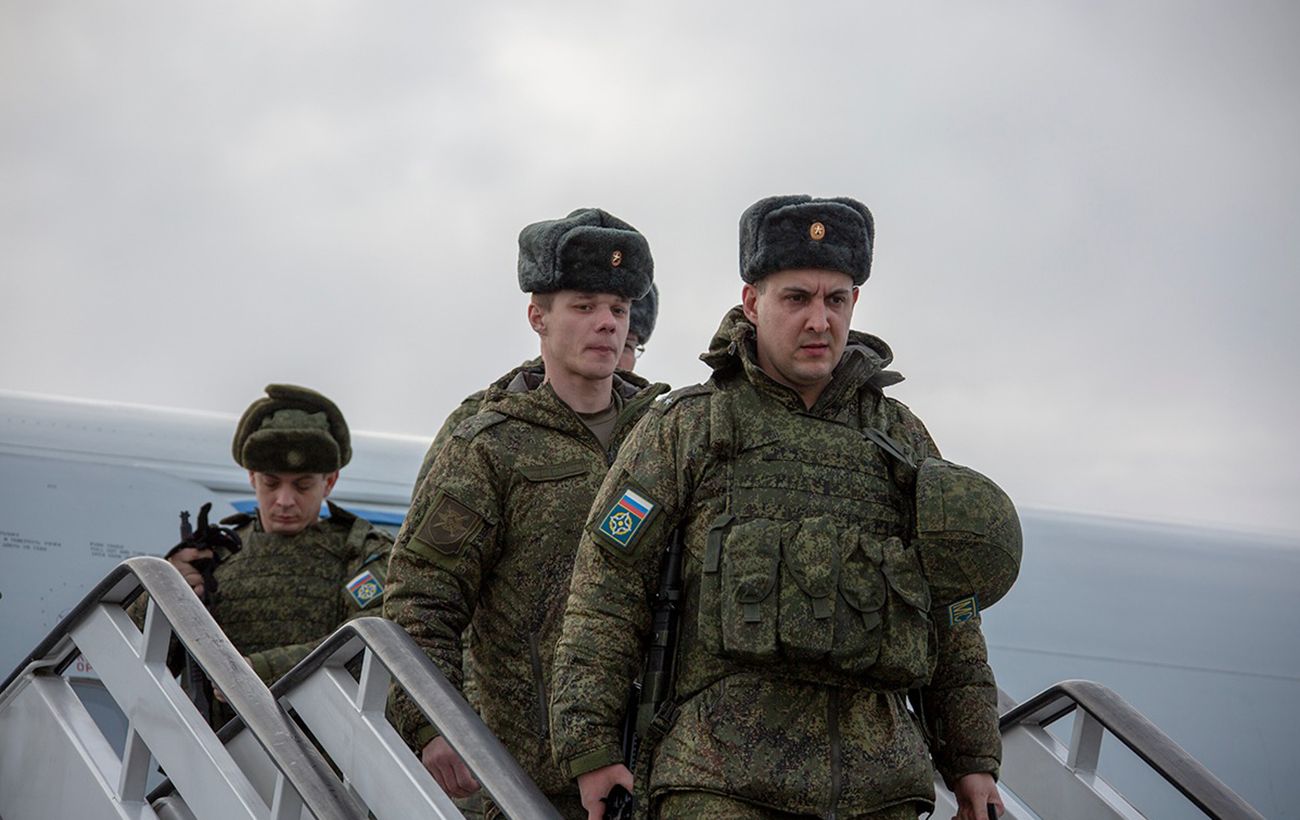
Rosstat data indicates a critical surge in Russian army combat casualties
An analysis of leaked Russian statistics shows that over 92% of deaths among Russian military personnel since 2022 are combat-related.
 🛡️Security
NATO strengthens eastern flank defense following incidents in Poland
The Alliance is considering deploying additional forces in Europe due to Russian missile incursions into Polish airspace.
 🏛️Politics
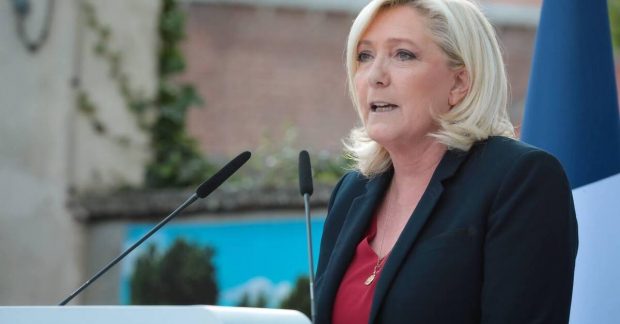
Marine Le Pen speaks out against Ukraine's EU integration
Leader of the French 'National Rally' party Marine Le Pen stated she does not see Ukraine in the EU or NATO, while calling for a peace conference.
 🛡️Security
Defense against jet drones: results of the Staff of the Supreme Commander-in-Chief
President Volodymyr Zelenskyy discussed strategies to counter Russian jet UAVs and strengthen export controls on components.
 🛡️Security
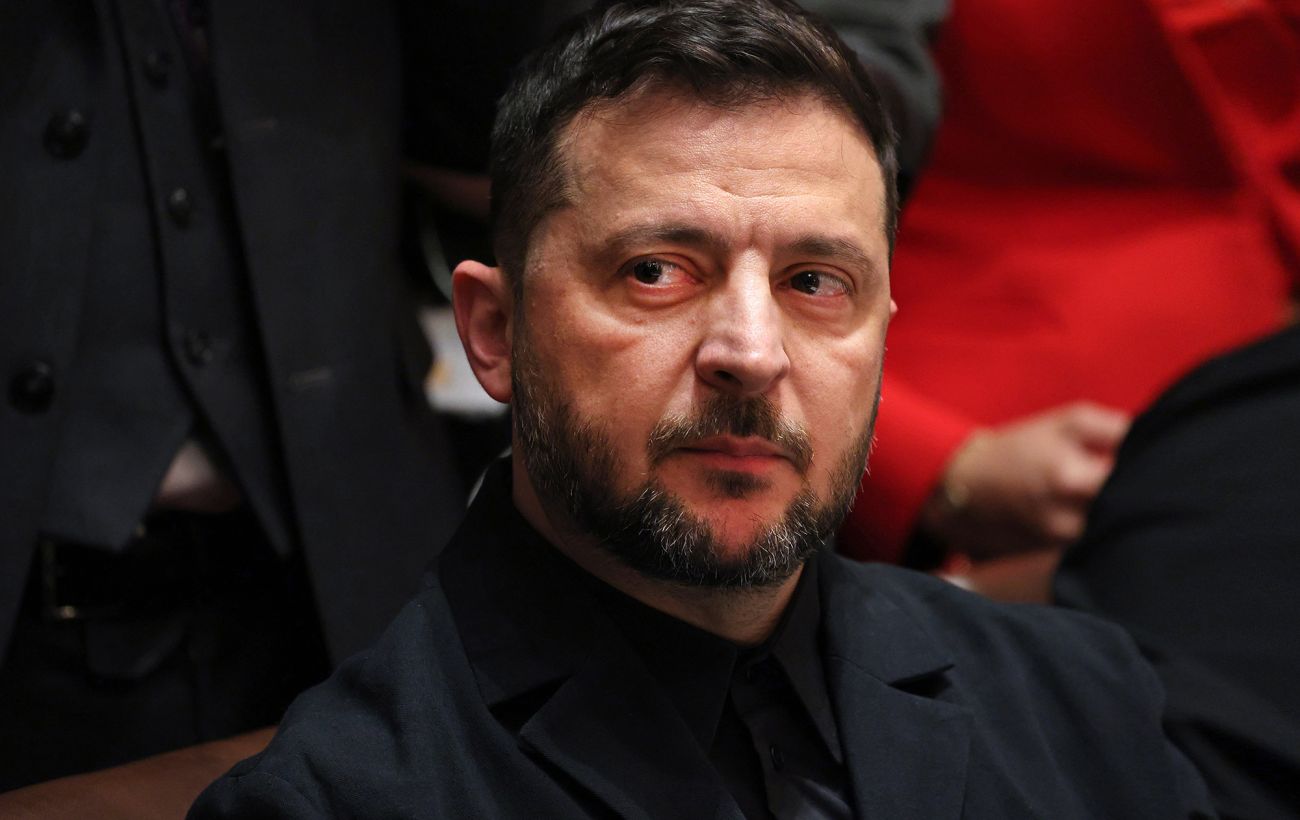
President warns of new Russian mass missile attacks
Volodymyr Zelenskyy announced that intelligence services have detected preparations by Russia for new missile strikes. The President urged citizens to remain vigilant and…