How to check gold for authenticity: limitations of the magnet test
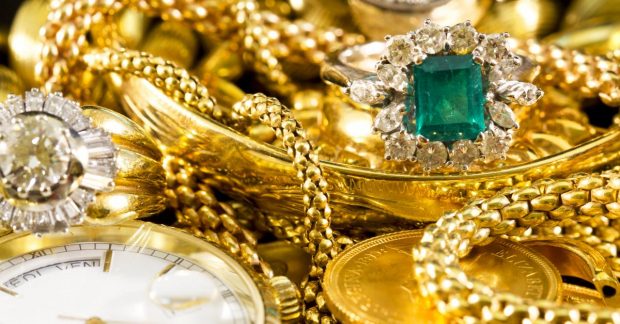
A magnet test can identify some fake metals, but it does not guarantee the authenticity or purity of gold jewelry.
 👥Society
Photo: UNIAN
Key points
- Gold is diamagnetic and does not stick to magnets
- Non-magnetic metals like copper or silver can be used in fakes
- Clasps and springs may be magnetic even in authentic pieces
- Professional lab testing is the only reliable verification method
When purchasing jewelry, many consumers look for quick and easy ways to verify the authenticity of precious metals at home. A common method involves using a magnet to test for magnetic properties. However, experts warn that while this method can be useful, it has significant limitations that buyers should understand.
The science behind the magnet test
Gold is a diamagnetic metal, meaning it is not attracted to magnets. If a piece of jewelry is attracted to a magnet, it may contain ferromagnetic impurities such as iron, nickel, or cobalt, which are often used in counterfeit alloys. However, even genuine gold jewelry may contain magnetic components, such as clasps, springs, or structural pins, which can cause a false positive result.
Conversely, the lack of magnetic reaction is not a guarantee of authenticity. Many non-magnetic metals, including silver, copper, and aluminum, are often used in base metals for gold plating or as fillers in fake jewelry. Even using a stronger neodymium magnet, which is more sensitive than a standard refrigerator magnet, cannot determine the karatage or the precise chemical composition of the item.
For those seeking definitive proof of a jewelry piece's quality, professional testing is essential. Certified testing centers use methods like X-ray fluorescence (XRF) to accurately analyze the metal composition. Relying on simple home tests is insufficient for high-value purchases, and seeking professional certification is the only way to avoid the risks associated with counterfeit jewelry.
Source UNIAN — unian.ua/curiosities/odin-prostiy-test-mozhe-vikriti-pidroblene-zol… ↗
Read next
 🇺🇦Ukraine
Hungarian Prime Minister to Visit Zakarpattia Region
Hungarian Prime Minister Viktor Orban plans to visit the Zakarpattia region of Ukraine, where the Hungarian minority lives. This will be the first visit of a Hungarian pr…
 🛡️Security
Rosstat data indicates a critical surge in Russian army combat casualties
An analysis of leaked Russian statistics shows that over 92% of deaths among Russian military personnel since 2022 are combat-related.
 🛡️Security
NATO strengthens eastern flank defense following incidents in Poland
The Alliance is considering deploying additional forces in Europe due to Russian missile incursions into Polish airspace.
 🏛️Politics
Marine Le Pen speaks out against Ukraine's EU integration
Leader of the French 'National Rally' party Marine Le Pen stated she does not see Ukraine in the EU or NATO, while calling for a peace conference.
 🛡️Security
Defense against jet drones: results of the Staff of the Supreme Commander-in-Chief
President Volodymyr Zelenskyy discussed strategies to counter Russian jet UAVs and strengthen export controls on components.
 🛡️Security
President warns of new Russian mass missile attacks
Volodymyr Zelenskyy announced that intelligence services have detected preparations by Russia for new missile strikes. The President urged citizens to remain vigilant and…